Certified Registered Nurse Anesthetist
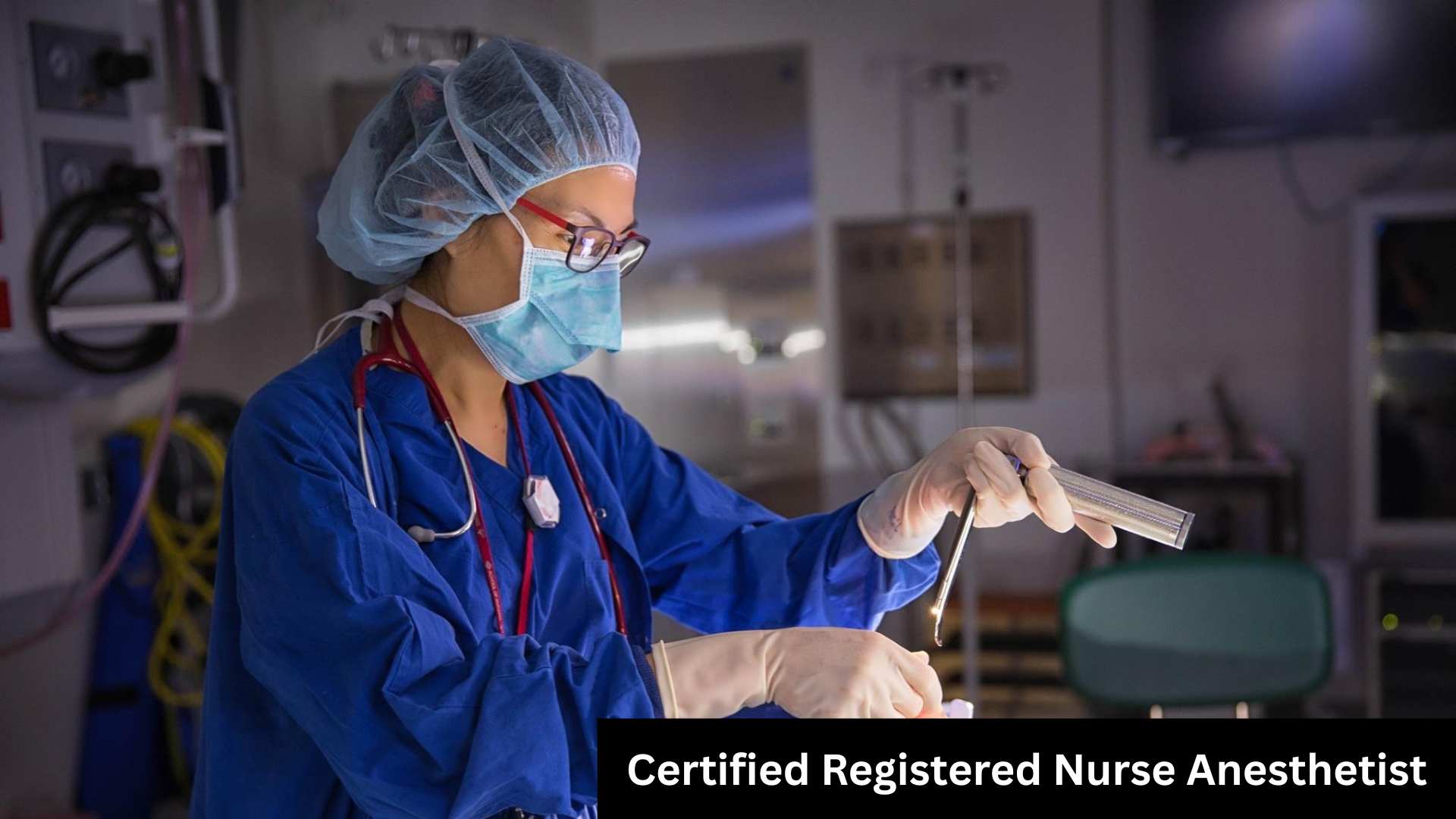
A Certified Registered Nurse Anesthetist, commonly known as a CRNA, is a highly trained advanced practice registered nurse specializing in anesthesia care. What sets CRNAs apart is their unique ability to blend nursing knowledge with anesthesia expertise, making them essential in ensuring patients safely and comfortably undergo surgeries and various medical procedures. Unlike other healthcare roles, CRNAs often work independently, making critical decisions about anesthesia administration and patient monitoring, reflecting both their extensive education and hands-on experience.
This role has a rich history dating back over 150 years, evolving from battlefield nursing to becoming one of the most trusted and vital parts of modern healthcare. CRNAs not only provide anesthesia for routine surgeries but also deliver care in emergency settings, rural hospitals, outpatient clinics, and specialized practices, often where physician anesthesiologists may not be available. The career offers a rewarding balance of autonomy, clinical challenge, and significant patient impact. If you're curious about how to enter this demanding yet fulfilling field, what your day-to-day might look like, or how the career unfolds, you’ll find clear answers here.
What You’ll Do as a Certified Registered Nurse Anesthetist
Imagine the moments before a surgery: the room buzzes with activity, but a patient might feel anxious about what’s ahead. As a CRNA, you'll be the calming presence, reassuring and educating them on what to expect. Your role starts with a thorough review of the patient’s medical history; looking for allergies, chronic conditions, or any other factors that might influence how they respond to anesthesia. This preparation requires a keen eye for detail and deep clinical knowledge.
When the procedure begins, you take charge of administering the anesthesia; whether it’s a general anesthetic that puts a patient fully to sleep, or regional anesthesia, like numbing a limb. Your hands adjust doses minute by minute, watching for changes in vital signs like heart rate and breathing. It’s a delicate balance, ensuring enough anesthesia to keep the patient comfortable and immobile, yet maintaining their safety. Throughout the operation, you communicate closely with surgeons and the rest of the team, ready to respond instantly if complications arise.
Afterward, as patients awaken, you continue monitoring, managing pain relief, and ensuring their smooth recovery from anesthesia. In many rural or critical care settings, you might be the only anesthesia provider present, which means substantial responsibility and autonomy. Your decisions directly affect patient outcomes. Because of your specialized training and experience, CRNAs are respected partners in the healthcare team, often working alongside anesthesiologists, surgeons, nurses, and other clinicians.
Becoming a CRNA
Starting this path usually means enrolling in a Bachelor of Science in Nursing (BSN) program, which typically takes four years. After becoming a registered nurse (RN), the journey to becoming a CRNA requires gaining solid clinical experience; most importantly, working in intense, high-stakes environments like intensive care units (ICUs) where you’ll learn to manage critically ill patients. Although only a year of ICU experience is required, many successful applicants spend two to three years honing their skills in these settings to build the advanced judgment needed for anesthesia.
Once equipped with this critical care foundation, nurses can apply to nurse anesthesia programs, now doctoral-level programs taking about three years to complete. These programs combine rigorous classroom study with extensive clinical training across diverse specialties, including surgical, obstetric, pediatric, and trauma anesthesia. Students gain thousands of hours of hands-on practice, teaching them not only how to administer anesthesia but also how to anticipate complications and manage emergency situations.
Throughout this process, prospective CRNAs must demonstrate strong academic performance, leadership potential, and passion for patient care. Admission can be competitive, involving interviews, writing essays, and sometimes entrance exams like the GRE. Upon graduation, candidates take the national certification exam, and once they pass, they earn the title of Certified Registered Nurse Anesthetist; ready to step into their crucial role in healthcare.
Certification
Certification is a key milestone in validating the skills and knowledge of a CRNA. Governed by the National Board of Certification and Recertification for Nurse Anesthetists (NBCRNA), it ensures that every practicing CRNA meets a national standard of excellence. After finishing a doctoral program, passing this exam allows you to practice as a CRNA, and it’s important to keep certification current by completing continuing education and periodic re-examination.
Many states have recognized the independence of CRNAs to practice without physician supervision, allowing more flexible and autonomous practice. In fact, more than half of U.S. states have “opted out” of federal physician supervision requirements, acknowledging the safe, high-quality care CRNAs provide on their own. Certified Registered Nurse Anesthetists also have the ability to bill Medicare directly, a distinction that highlights their role as primary anesthesia providers. Maintaining certification protects both the provider and the patient by ensuring that CRNAs stay current with advances in anesthesia care, technology, and patient safety measures.
Where You Might Work as a CRNA
Your workplace as a CRNA can vary widely, reflecting the diverse needs of anesthesia care. Many CRNAs spend their days in hospital operating rooms, where surgical teams rely on their expertise to manage anesthesia for everything from routine procedures to complex, high-risk surgeries. Others may find themselves in critical access hospitals serving rural populations, where they might be the only anesthesia provider. This calls for both clinical skill and confidence in independent decision-making.
Outpatient surgical centers also employ CRNAs who help patients safely navigate shorter procedures. Some CRNAs work in dental or podiatry offices, administering anesthesia for specialized treatments. Military service provides yet another unique environment, with CRNAs delivering frontline anesthesia care in ships, planes, and combat zones.
Schedules often align with operating room hours, typically starting early in the morning and ending in the late afternoon or evening. However, emergencies can arise unexpectedly, meaning CRNAs may work weekends, nights, or holidays. The work can be both demanding and rewarding, providing opportunities to practice in settings from bustling urban hospitals to tight-knit rural communities. Wherever you choose to work, your role is vital to surgical care and patient safety.
Career Outlook and Compensation
The future looks bright for nurse anesthetists. Demand is expected to grow by about 35 percent over the next decade, much faster than the average for all occupations. An aging population requiring more surgeries and anesthesia care, along with ongoing shortages of anesthesia providers in many areas, fuels this demand. This is especially true in rural and underserved regions, where CRNAs often serve as the primary anesthesia providers.
Financial compensation reflects the high level of responsibility and skill required. Nurse anesthetists rank among the highest paid nursing professionals, with an average salary around $223,000 annually, according to recent data. Salaries vary by state, experience, and work setting, with some states offering salaries well above the national average due to cost of living or demand. This career also offers opportunities for growth, including roles in education, administration, and clinical specialization.
Is Becoming a CRNA Right for You?
Becoming a CRNA is not a casual decision; it suits those who thrive under pressure, embrace continuous learning, and enjoy working closely with patients during critical moments. If you have a strong foundation in nursing and critical care, excellent critical thinking skills, and a calm demeanor in stressful situations, this role might be a great fit.
The rewards include high earning potential, professional respect, and the chance to make a profound difference in patients’ lives during vulnerable times. Yet, it demands years of education, clinical experience, and dedication. The training is challenging, and the responsibilities are immense, with your decisions directly impacting patient safety and outcomes.
If you value independence but also enjoy being part of a healthcare team, and you have a genuine interest in the science of anesthesia, pursuing this path could be fulfilling. Consider shadowing a CRNA to see firsthand what the day-to-day is like before committing. The profession often appeals to nurses looking for advanced practice with a blend of technical skill, patient connection, and the opportunity to work in diverse settings.
Additional Considerations in Nurse Anesthesiology
The role of CRNAs continues to evolve. In recent years, professional organizations, especially the American Association of Nurse Anesthesiology (AANA), have worked to clarify the scope and identity of nurse anesthetists. This includes navigating sometimes controversial discussions regarding professional titles and the balance between collaboration with anesthesiologists.
CRNAs remain committed to providing safe, cost-effective care. Studies comparing anesthesia outcomes find no difference in safety or quality between CRNAs and physician anesthesiologists. As healthcare shifts toward efficiency and accessibility, CRNAs are positioned to play an even larger role, particularly in underserved communities where anesthesia services might otherwise be unavailable.
For aspiring CRNAs, joining professional organizations like AANA can provide valuable support, networking, and continuing education. Some CRNAs also choose to pursue fellowships to specialize in areas such as pain management or pediatric anesthesia, opening further career possibilities.
Resources
- The National Board of Certification and Recertification for Nurse Anesthetists (NBCRNA): https://www.nbcrna.com/
- American Association of Nurse Anesthesiology (AANA): https://www.aana.com/
- Council on Accreditation of Nurse Anesthesia Educational Programs (COA): https://www.coacrna.org
- American Society of Anesthesiologists (ASA): https://www.asahq.org/
- Advanced Practice Registered Nurse
- Ambulatory Care Nurse
- Cardiovascular Nurse
- Case Management Nurse
- Certified Nurse Assistant
- Circulating Nurse
- Clinical Nurse Leader
- Correctional Facility Nurse
- Dermatology Nursing
- Emergency Room Nurse
- Forensic Nursing
- Holistic Nursing
- Hospice Nurse
- How to become a Cardiac Care Nurse
- Infection Control Nurse
- Infusion Nurse
- Intensive Care Unit Nurse
- Labor and Delivery Nursing
- Lactation Consultant
- Legal Nurse Consultant
- Licensed Practical Nurse Career Guide
- Medical-Surgical Nurse
- Military Nurse
- Neonatal Nurse
- Nurse Administrator/Manager
- Nurse Educator
- Nursing Informatics
- Oncology Nurse
- Orthopedic Nursing
- Pain Management Nurse
- Parish Nurse/Faith Community Nursing
- Pediatric Nurse
- Perinatal Nurse
- Psychiatric Nurse
- Radiology Nurse/Certified Radiology Nurse (CRN)
- Registered Nurse Career Guide
- Rehabilitation Nurse
- School Nurse
- Scrub Nursing
- Telemetry Nursing
- Transplant Nursing
- Trauma Nurse
- Travel Nurse
- Urology Nursing
- What is Telephone Triage Nursing?
- Wound, Ostomy and Continence Nurse